

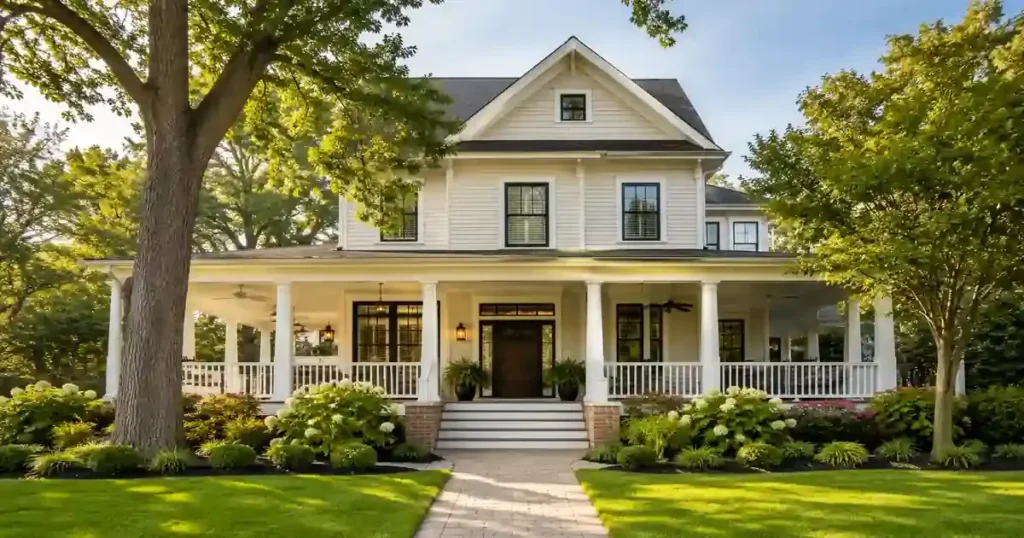
Your front yard creates the first impression people notice about your home. In Georgetown, TX, that matters more than most homeowners realize. If you are tired of patchy grass, builder-grade shrubs that barely survived last summer, or a front yard that just looks flat, this guide gives you real, practical front yard landscaping ideas Georgetown TX homeowners can use right now. Whether you want native plants, a modern xeriscape, or a simple curb appeal upgrade, the tips ahead will help you build something that actually thrives here.
The short answer: The best front yard landscaping ideas for Georgetown TX homes use drought-tolerant native plants, low-water xeriscape designs, and clean hardscape edging. These choices survive Central Texas heat, reduce water bills, and improve curb appeal without constant upkeep.
Why Front Yard Landscaping Matters More in Georgetown, TX Than Most Homeowners Realize
Georgetown is growing fast. From the historic downtown Square to new developments near Wolf Ranch Town Center and Sun City, every neighborhood has a certain standard. A neglected front yard stands out for all the wrong reasons.
Curb appeal in Georgetown directly affects property value. According to real estate studies, well-executed landscaping can add 5 to 15 percent to a home’s resale value. Buyers notice it before they ever step inside. That is why more homeowners are turning to Yardix landscaping services to get a front yard that works as hard as it looks.
Georgetown’s climate adds another layer. Central Texas delivers brutal summer heat, unpredictable freezes, and extended drought conditions. That combination destroys plants that were not chosen for this specific area. Builder-grade landscaping that came with your home likely included species selected for appearance on move-in day, not long-term survival.
HOA communities across Georgetown, including those in Morningstar, Teravista, and Berry Creek, often require maintained front yards. A proactive landscaping approach keeps you compliant without constant effort.
The shift toward low-water, low-maintenance landscaping is not just a trend here. It is a practical response to Stage 2 and Stage 3 water restrictions that Georgetown regularly implements during dry summers.
Best Front Yard Landscaping Ideas Georgetown, TX Homeowners Can Actually Maintain
The most maintainable front yard landscaping ideas for Georgetown TX homes combine native plants, gravel or mulch ground covers, and clean edging. They reduce watering time, survive temperature extremes, and look polished year-round.
Low-maintenance landscaping ideas that survive Georgetown summers
The best landscaping in this area works with the climate rather than against it. Replace high-water turf with decomposed granite paths, native ornamental grasses, and drought-tolerant shrubs. These plants establish within one to two seasons and require minimal intervention after that. If you want an expert to handle the transition, Yardix lawn care services cover everything from initial cleanup to ongoing seasonal maintenance.
Group plants by water needs. Place drought-tolerant species near the street and curb where heat reflects off the pavement. Save any moisture-loving plants for shaded side areas near the house.
Water-wise landscaping ideas using native Central Texas plants
Native plants are not just environmentally friendly. They are lower cost over time because they do not need supplemental irrigation once established. Species like Texas Sage, Red Yucca, and Gulf Muhly evolved specifically for Central Texas conditions.
Mulch beds with three to four inches of hardwood mulch or cedar. This keeps soil moisture in, reduces weeds, and lowers ground temperature during July and August heat waves.
Affordable curb appeal upgrades that look high-end
- Steel or limestone edging along bed lines creates a clean, defined look for minimal cost.
- A fresh layer of dark mulch refreshes any existing bed instantly.
- Mass plantings of one or two species look intentional and polished rather than scattered.
- Solar pathway lights along a front walkway add nighttime appeal without electrical work.
Front entrance landscaping ideas that instantly improve first impressions
Place matching plants on both sides of your front entry to create a balanced look. Dwarf Yaupon Holly is a good choice for shaded entrances, while Esperanza brings bright yellow color to sunny spots. Keep the walkway to your front door open, visible, and easy to navigate.
Landscaping ideas for homes with full sun exposure
Many Georgetown homes face west or south with zero tree cover. In those areas, use gravel beds with ornamental grasses, Agave, and Red Yucca. These plants thrive in reflected heat and direct sun that would kill most traditional landscape plants within a season.
Easy landscaping upgrades for builder-grade front yards
Start by removing or cutting back overgrown foundation shrubs. Add limestone edging around existing beds. Replace dead or stressed plants with native alternatives. These three steps alone transform most builder-grade front yards in a single weekend.
Front Yard Landscaping Design Tips for Georgetown, TX Homes
How to create a balanced front yard landscaping design
Balance does not mean symmetry. It means the yard feels visually even when you look at it from the street. Anchor one side with a larger focal shrub or small ornamental tree. Mirror the visual weight on the opposite side with a cluster of medium shrubs or grasses.
A strong front yard landscaping design follows a layered approach: tall background plants near the house, medium shrubs in the middle, and low ground covers or gravel at the edges.
How do you choose focal points, pathways, and layered plant beds?
Every strong front yard has one focal point. That might be a large Texas Sage in full bloom, a stone birdbath, or a distinctive ornamental tree like a Desert Willow. Everything else in the design supports that focal point rather than competing with it.
Pathways should guide the eye from the street to the front door without confusion. A curved path often feels more natural than a straight one in residential settings.
How to match landscaping with ranch-style and modern Georgetown homes
Ranch homes suit naturalistic plantings with flowing ornamental grasses, native wildflowers, and informal stone edging. Modern homes with clean architectural lines benefit from structured plantings, geometric bed shapes, and gravel or decomposed granite ground covers.
Landscaping design ideas for sloped front yards and drainage issues
Georgetown’s terrain includes plenty of slopes, especially in neighborhoods near the San Gabriel River corridor. On sloped yards, use terracing with limestone retaining walls to create flat planting areas. Native groundcovers like Lindheimer’s Muhly help control erosion on slopes without irrigation.
How to combine hardscaping with native landscaping
Hardscaping, including stone paths, gravel beds, limestone edging, and concrete borders, anchors a native plant design and reduces the total area that needs watering. The combination of natural stone and native plants is one of the most popular modern landscaping looks in Georgetown right now.
Modern Front Yard Landscaping Ideas Georgetown, TX Residents Are Choosing
Modern xeriscape landscaping with gravel and native plants
What is xeriscape landscaping? Xeriscape is a water-efficient landscaping method that replaces traditional turf with drought-tolerant plants, gravel, mulch, and hardscape. It is designed to thrive on minimal irrigation, making it ideal for Georgetown, TX’s drought conditions and water restrictions.
Xeriscape does not mean a yard full of rocks with nothing else. In Georgetown, modern xeriscape combines decomposed granite or pea gravel with sculptural native plants, low-growing ground covers, and strategic boulders. The result looks intentional and requires almost no water after establishment.
What does the white rock, black mulch, and limestone border look cost in Georgetown?
This combination is one of the most affordable high-impact landscaping looks in Georgetown. White limestone gravel, black mulch, and a clean limestone border can refresh a standard front yard for $800 to $2,500, depending on bed size. It has become a signature look in Georgetown neighborhoods because it requires almost no ongoing maintenance and holds up through summer heat and freeze cycles.
Minimalist landscaping ideas for contemporary Georgetown homes
Less is more for contemporary homes. Three to five plant species, kept to a strict grid layout with clean edging, produce a refined result. Avoid mixing too many textures or colors. Stick to one flowering species and two or three structural plants.
Modern front yard lighting ideas for curb appeal
- Low-voltage LED spotlights highlighting a specimen plant or architectural feature
- Pathway lights along the walkway spaced evenly for a clean look
- Uplighting on mature trees for dramatic evening appeal
- String lights over a front seating area if the design includes a small porch garden
Front yard landscaping ideas that look expensive without high upkeep
Professional-looking landscapes share a few common traits: clean edges, consistent mulch depth, matching container colors if pots are used, and plants grouped in odd numbers. These are design principles, not budget items.
Best Native Plants and Shrubs for Georgetown, TX Front Yards
What are native plants? Native plants are species that naturally occur in a specific region and have adapted to its climate, soil, and rainfall patterns over time. In Georgetown, TX, native plants tolerate drought, heat, and freeze cycles without supplemental irrigation once established, making them the most practical and cost-effective choice for front yard landscaping.
What shrubs look best in front of a house in Georgetown, TX?
| Plant | Sun Needs | Water Needs | Mature Size | Best For |
| Texas Sage (Leucophyllum) | Full sun | Very low | 4 to 6 ft | Foundation shrub, privacy |
| Dwarf Yaupon Holly | Sun to part shade | Low | 3 to 4 ft | Entry framing, HOA yards |
| Esperanza | Full sun | Low to moderate | 4 to 6 ft | Color, pollinators |
| Red Yucca | Full sun | Very low | 3 to 4 ft | Accent, hummingbird gardens |
| Gulf Muhly Grass | Full sun | Low | 3 ft | Fall color, border planting |
| Mexican Feather Grass | Full sun | Very low | 2 ft | Texture, movement in wind |
Best drought-tolerant plants for Georgetown, TX landscaping
Beyond shrubs, consider Blackfoot Daisy, Autumn Sage, Four Nerve Daisy, and Cenizo for ground-level color that blooms reliably without irrigation. These species handle Georgetown’s summer heat and low-rainfall stretches without stress.
Freeze-resistant plants that survive Texas weather swings
Georgetown’s February 2021 freeze killed many landscape plants across Williamson County. Freeze-tested native species like Texas Sage, Yaupon Holly, Inland Sea Oats, and most Agave varieties came back stronger. Avoid tropical species like Bougainvillea or Mexican Sage for front yard use unless you can protect them annually.
Pollinator-friendly landscaping plants for butterflies and bees
Georgetown hosts the annual Red Poppy Festival, celebrating the wildflowers that blanket Williamson County each spring. You can bring that same energy to your front yard. Plant Milkweed for Monarchs, Salvia Greggii for hummingbirds, and Esperanza for bees. Pollinators make any front yard feel alive.
Front Yard Landscaping Plans for Different Georgetown, TX Homes
Simple front yard landscaping plans for small yards
For a small front yard, keep it simple. One accent tree or large shrub as a focal point, two to three medium plants framing the entry, ground cover or gravel filling the remaining area. Simple front yard landscaping plans with this structure take one weekend to install and look complete from day one.
Front yard landscaping plans for ranch-style homes
Ranch homes benefit from wide, shallow planting beds that run horizontally across the front of the house. Use layers of varying heights: tall ornamental grasses at the back, medium shrubs in the middle, low-growing Blackfoot Daisy or Lindheimer’s Muhly at the front edge.
Landscaping plans for HOA neighborhoods in Georgetown, TX
Before planting anything, review your HOA guidelines. Most Georgetown HOA neighborhoods require maintained turf or approved alternatives in the parkway strip between the sidewalk and street. Some, like those in Teravista, now allow native grass alternatives. Confirm before you plant.
Budget-friendly front yard landscaping plans
You do not need to complete everything at once. Phase your project across two or three seasons. Start with edging and mulch. Add plants in the second phase. Install lighting last. This approach keeps the total cost manageable without sacrificing results. For more information on what projects cost locally, review this detailed landscaping cost guide for Georgetown TX.
Landscaping plans for homes without irrigation systems
Homes without irrigation systems should prioritize native plants exclusively. Once established, most native Central Texas plants survive on rainfall alone during all but the worst drought conditions. Group plants in beds, mulch heavily, and install a simple soaker hose during the first summer to help roots establish.
Front Yard Landscaping Ideas Georgetown TX Homeowners Can Use to Reduce Water Usage
How does xeriscaping work in Central Texas climates?
What is xeriscaping? Xeriscaping is a water-efficient landscaping method designed for dry climates. The name comes from the Greek word xeros, meaning dry. It reduces or eliminates the need for supplemental irrigation by using drought-adapted plants, mulch, and efficient design. It is not a look but a system.
Xeriscaping follows seven principles: planning and design, soil improvement, practical turf areas, appropriate plant selection, efficient irrigation, mulching, and maintenance. In Georgetown’s climate, the practical application means replacing most traditional turf with native plants and gravel, using drip irrigation only where needed, and mulching every bed to a depth of three to four inches.
Best mulch, gravel, and stone options for water retention
- Hardwood mulch: Best for plant beds, decomposes and feeds the soil over time
- Cedar mulch: Natural pest deterrent, holds moisture well, long-lasting
- Decomposed granite: Ideal for paths and dry garden beds, allowing water to pass through
- White limestone gravel: Reflects heat, looks clean, pairs well with native plants
- River rock: Decorative, low-maintenance, ideal for drainage areas
Drip irrigation and smart watering tips
If you have an irrigation system, convert spray heads in planting beds to drip emitters. Drip delivers water directly to root zones, reducing evaporation by up to 50 percent compared to spray heads. Set controllers to water in the early morning before temperatures rise. Check with Georgetown’s water utility for the current watering schedule allowances during drought restrictions.
Grass alternatives that need less maintenance
Consider replacing traditional St. Augustine or Bermuda turf in the front yard with Buffalo Grass, Habiturf native grass blend, or Zoysia. These alternatives require fewer mowings per season, tolerate drought better, and often stay greener during mild dry periods than traditional turf.
Landscaping ideas that improve drainage and reduce runoff
Georgetown’s clay-heavy soils do not drain well. Gravel-filled French drains, dry creek beds made from river rock, and rain gardens planted with water-tolerant natives all help manage runoff. These features improve drainage while adding a natural design element to the front yard.
Front Yard Landscaping Mistakes Georgetown, TX Homeowners Should Avoid
Using plants that cannot handle Central Texas heat
Azaleas, Hostas, Hydrangeas, and other moisture-loving plants common in nurseries fail in Georgetown’s front yard conditions. These plants need consistent water and shade that most Georgetown front yards simply do not provide. Stick to heat-rated, drought-adapted species.
Overcrowding flower beds and foundation plants
Plants need room to reach their mature size. A Texas Sage planted two feet from the house foundation will eventually require aggressive trimming or removal. Research mature sizes before you plant and space accordingly. It looks sparse at first but fills in correctly within two to three seasons.
Ignoring drainage and erosion issues
Poor drainage kills plants faster than drought. If water pools near your foundation after rain, address it before planting. Redirecting downspouts, adding gravel drainage channels, or installing a simple dry creek bed costs far less than replacing dead plants season after season.
Choosing landscaping that requires too much watering
Impatiens, annual Petunias, and traditional lawn grass all require significantly more water than Georgetown’s restrictions allow during dry periods. Beautiful landscaping and low water use are not mutually exclusive if you choose the right plants from the start.
Poor landscaping layouts that hurt curb appeal
Random plant placement, inconsistent bed shapes, and mismatched mulch colors all reduce visual impact. Take time to sketch a layout before buying plants. Even a rough sketch helps avoid the scattered look that makes a yard feel unplanned.
Using too much mulch around plants and trees
Three to four inches of mulch is the right depth. More than that suffocates root systems, traps moisture against the trunk, and invites fungal disease. Volcano mulching, where mulch is piled against a tree trunk, is one of the most common landscaping mistakes in Georgetown front yards. Keep mulch pulled back two to three inches from any plant stem or trunk.
How to Upgrade a Builder-Grade Front Yard in Georgetown, TX
Most builder-grade front yards in Georgetown follow the same formula: one or two Photinia shrubs, a strip of St. Augustine turf, and maybe a small tree planted too close to the walkway. It looks fine on move-in day and struggles within two years.
The fastest way to upgrade a builder-grade front yard is to redefine bed edges, refresh mulch, remove overgrown or dead plants, and replace them with native species. These four steps alone change how a home looks from the street and can be completed in a single weekend for under $1,000.
The easiest landscaping upgrades with the biggest visual impact
- Define and edge all plant beds with steel or limestone borders
- Refresh mulch to a consistent three to four-inch depth
- Remove or trim back any overgrown shrubs touching the house
- Replace dead or dying plants with native species that fit the space
- Add one focal plant or small ornamental tree near the entry
Raised flower beds and stone edging ideas
Raised beds built from limestone blocks are extremely popular in Georgetown right now. They add vertical interest, improve drainage, and clearly define planting areas. Even a six to eight-inch raised bed creates enough visual lift to transform a flat front yard.
Mailbox landscaping and walkway landscaping upgrades
Mailbox plantings are an underused curb appeal opportunity. A simple cluster of Red Yucca or Autumn Sage around the base of a mailbox adds color and structure to the street-facing view of your home. Line walkways with low-growing native plants or decorative gravel borders for a finished look.
Layered landscaping techniques professionals use
Professional landscapers always think in layers. Tall at the back and sides, medium in the middle, and low at the front and edges. This creates depth when you look at the yard from the street. Understanding what is included in a professional landscaping plan can help you communicate your vision. This resource on what landscaping services include in Georgetown, TX breaks it down clearly.
How Much Does Front Yard Landscaping Cost in Georgetown, TX?
| Project Type | Estimated Cost Range | Notes |
| Basic refresh (mulch, edging, plant replacement) | $500 to $1,500 | DIY-friendly, weekend project |
| Native plant installation (full front yard) | $1,500 to $4,000 | Includes soil prep and mulch |
| Xeriscape conversion | $2,500 to $6,000 | Gravel, plants, edging, drip irrigation |
| Full front yard landscape design and install | $5,000 to $15,000+ | Hardscaping, lighting, full plant plan |
| Lawn care maintenance (monthly) | $80 to $250/month | Mowing, edging, seasonal care |
Ongoing maintenance keeps your investment looking its best year-round without the time commitment of doing it yourself.
Which landscaping upgrades provide the best ROI?
Native plantings combined with clean hardscape edging and fresh mulch consistently deliver the best return relative to cost. These upgrades improve curb appeal immediately and reduce maintenance costs over time. Lighting adds evening appeal and increases perceived home value with relatively low installation cost.
How to phase landscaping projects to reduce upfront costs
Phase 1: Edging, mulch, and removing dead material. Phase 2: Install primary shrubs and grasses. Phase 3: Add hardscape features, lighting, and accent plants. Spacing each phase across seasons allows you to evaluate results before committing to the next investment.
Seasonal Front Yard Landscaping Tips for Georgetown, TX Homes
When is the best time to landscape a front yard in Georgetown, TX?
Spring is the peak planting season in Georgetown. Each April, the Red Poppy Festival celebrates wildflower season throughout Williamson County. In March and April, plant native shrubs and grasses so their roots can take hold before the summer heat sets in. Fertilize established plants lightly in early spring before they break dormancy.
How to protect plants during extreme summer heat
Water established native plants deeply and infrequently during heat extremes rather than lightly every day. Deep watering encourages roots to grow deeper into cooler soil. Add a shade cloth over newly installed plants during their first summer if temperatures exceed 105 degrees for multiple consecutive days.
What landscaping should I do in the fall in Georgetown, TX?
Fall is the second-best planting window in Georgetown. Soil temperatures stay warm enough for root establishment while air temperatures drop. Plant in September and October for the best results. Gulf Muhly reaches its peak pink bloom in October, making it an excellent fall addition to any front yard.
Winter landscaping tips for year-round curb appeal
Evergreen shrubs like Yaupon Holly and Texas Sage keep the front yard looking structured through winter. Keep ornamental grasses in place during the winter months. They add texture and movement, and birds often use them for shelter. Cut them back to six inches in late February before new growth begins.
Frequently Asked Questions About Front Yard Landscaping Ideas Georgetown, TX
What are the best landscaping ideas for front yards in Georgetown, TX?
The best front yard landscaping ideas in Georgetown TX include native plant beds with Texas Sage, Red Yucca, or Gulf Muhly; decomposed granite or gravel ground covers; limestone edging to define beds cleanly; and mulch at a depth of three to four inches. These choices survive Georgetown’s heat, freeze cycles, and water restrictions while improving curb appeal with minimal ongoing maintenance.
What can I put in front of my house instead of bushes?
Instead of traditional foundation bushes, Georgetown homeowners can use ornamental grasses like Gulf Muhly or Mexican Feather Grass, low-growing native groundcovers like Blackfoot Daisy, decorative gravel with accent boulders, or structured raised beds filled with native perennials. These options require less upkeep, handle drought conditions better, and usually offer more visual appeal than typical builder-grade shrubs.
What is the most low-maintenance landscaping for a front yard?
The most low-maintenance front yard landscaping is a xeriscape design using native Central Texas plants, gravel or decomposed granite as a ground cover, and drip irrigation for the establishment period only. Once native plants like Texas Sage, Red Yucca, and Gulf Muhly are established after one to two seasons, they require almost no supplemental watering, minimal trimming, and no fertilizer. This approach cuts ongoing yard maintenance to a few hours per season.
Is hiring a landscaper worth it in Georgetown, TX?
For most homeowners, yes. A professional completes the job faster, avoids common installation mistakes, and often has access to better plant material. For a detailed breakdown of what to expect, read this honest guide on whether hiring a landscaper is worth it in Georgetown, TX.
Final Thoughts on Creating a Beautiful Front Yard in Georgetown, TX
Georgetown homeowners have a genuine advantage. The native plants available here are some of the toughest, most beautiful in the country. Texas Sage blooms after every rain. Gulf Muhly turns pink every October. Red Yucca feeds hummingbirds for months without a drop of irrigation.
The smartest front yard landscaping ideas Georgetown, TX, homeowners can pursue start with accepting what the local climate demands and designing with it instead of against it. Low-water, low-maintenance, native-forward landscaping protects your investment, reduces your water bill, and gives your home the curb appeal that holds its value through every season.
Start small if you need to. Clean the edges, refresh the mulch, and swap one failing plant for a Texas Sage or a Red Yucca. Watch what happens. Then build from there.