

Every property in Georgetown is different: different sun exposure, different soil, different architecture, and different families. A generic landscape plan rarely works twice. Our approach starts with your specific home and lifestyle, not a template.
A landscape design should feel like it belongs to your house and your life, not like it was dropped in from somewhere else. Your home’s architecture, your property’s natural features, and how your family spends time outdoors all come into play before a single plant gets placed.
A design that only looks good on paper isn’t a good design. How the space will be used, for entertaining, relaxing, gardening, or play, matters just as much as how it looks. The best designs treat those two goals as partners, not competitors.
Your front yard and backyard aren’t separate projects, they’re one property. We build a single connected vision so every area feels intentional and ties into the next.
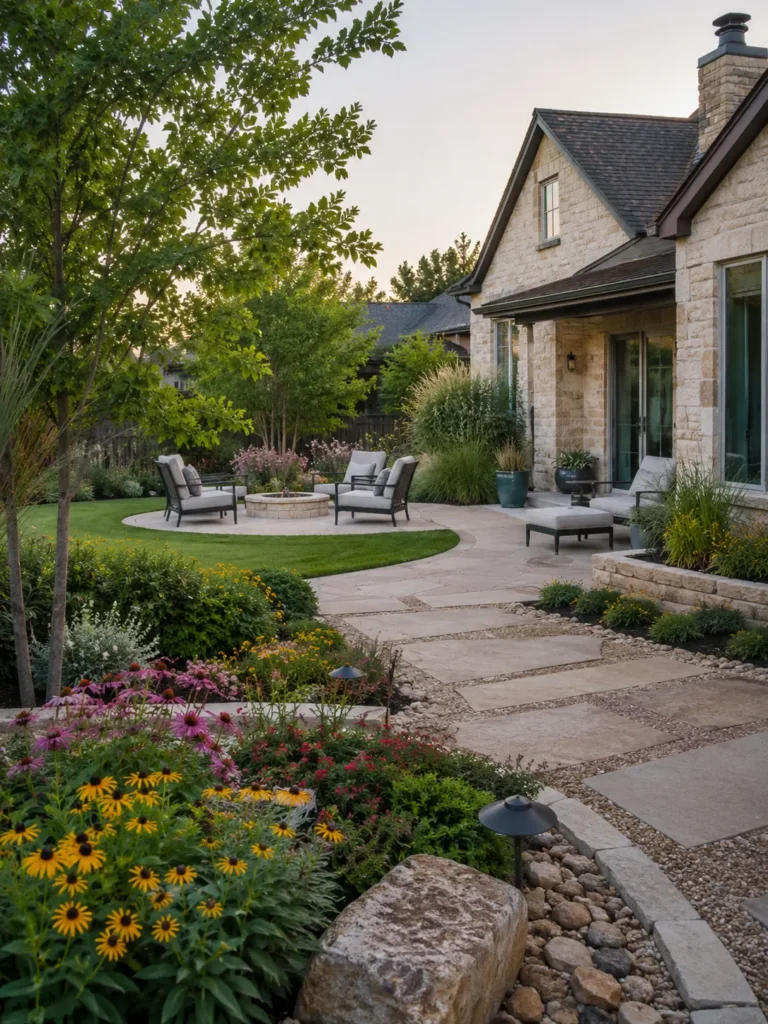
A professional landscape design is far more than picking out plants. It’s a layered process that considers how a space works before it considers how it looks.
01
Before anything is drawn, we talk through how you want to live outside: entertaining space, a quiet retreat, a play area, or a garden. Function should always shape the design, not the other way around.
02
A walk-through of the property comes first, assessing sun exposure, soil, drainage patterns, mature trees, and existing structures. Every design decision that follows depends on what’s actually there.
03
A good layout guides movement naturally through the space, from the driveway to the front door, from the patio to the yard. The result feels natural to move through, not obstructive.
04
Plant selection isn’t just about which species look nice; it’s about which plants belong in a specific spot based on light, water, mature size, and how they’ll interact with everything around them.
05
Varying plant heights, leaf textures, and bloom times are layered together to give the landscape visual depth year-round, not a flat, one-note look.
06
Grouping plants by similar light and water needs isn’t just practical; it’s what keeps a landscape healthy and consistent as it matures instead of patchy and struggling.
07
Every design accounts for the landscape’s fifth year, not just its first, planning for how plants will grow, fill in, and change shape over time. That way, the design still works once everything matures.
An on-site or virtual consultation comes first, to see the property firsthand and hear directly what you’re hoping to achieve.
Your priorities, style preferences, must-haves, and budget range for design scope all get discussed, along with how you plan to use the space.
Our designer assesses sun and shade patterns, soil, grade, and existing features to understand what the property has to work with.
Everything we’ve learned gets translated into an initial design concept tailored to your property and goals.
Together, we review the concept and refine it based on your feedback until it truly fits.
Once the design is approved, we finalize your custom landscape design plan.
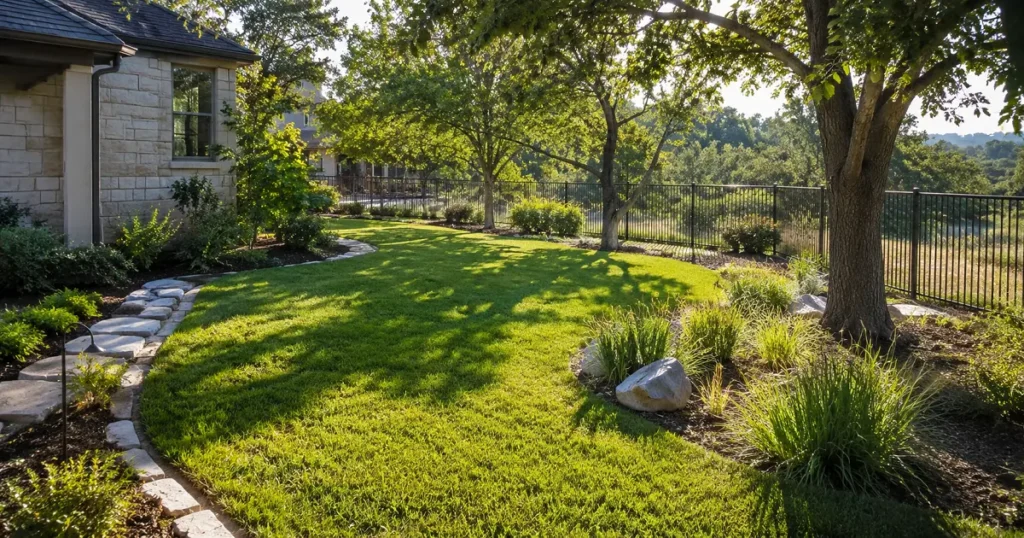
How sunlight moves across a property throughout the day directly determines which plants will thrive where. Exposure gets mapped before plant placement is finalized.
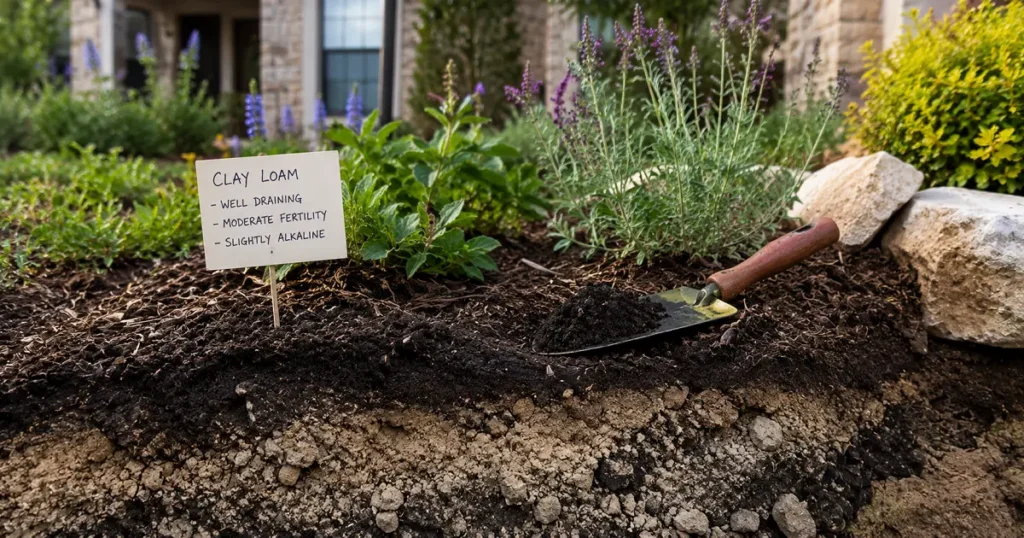
Existing soil conditions influence which plants will succeed and how beds should be structured. Soil type is factored in from the start.
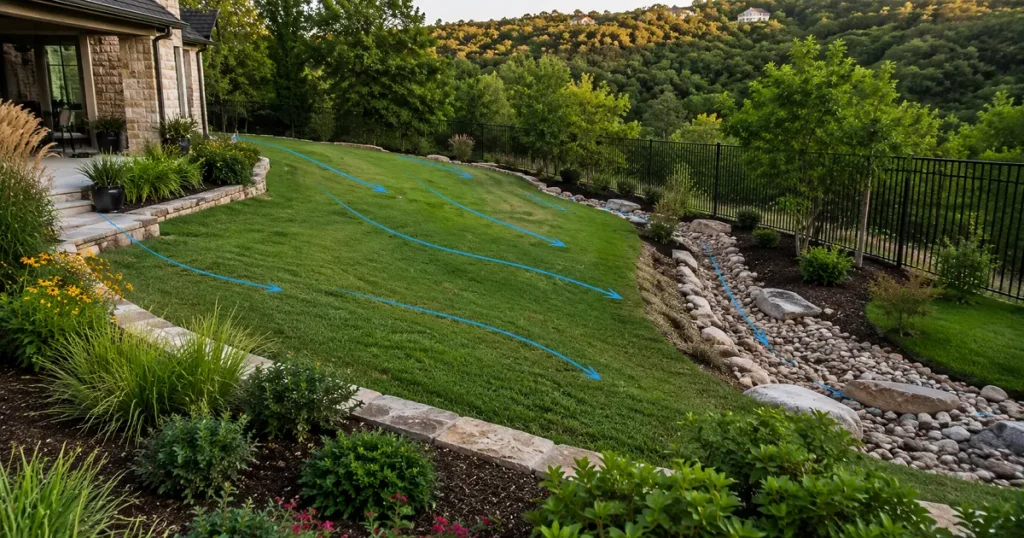
Natural slope and the way water moves across a property are important site factors, accounted for when planning layout and plant placement.
Mature trees and existing landscape features are often a property’s biggest asset. We design around them instead of starting from a blank slate.
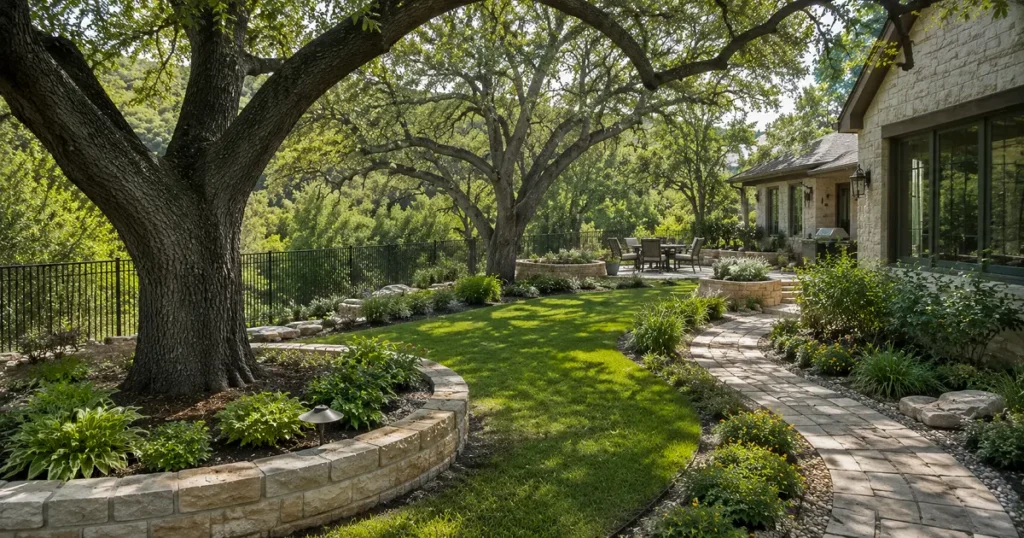
A compact courtyard and a sprawling half-acre lot call for entirely different design approaches. The plan gets tailored to the actual dimensions and shape of your space.
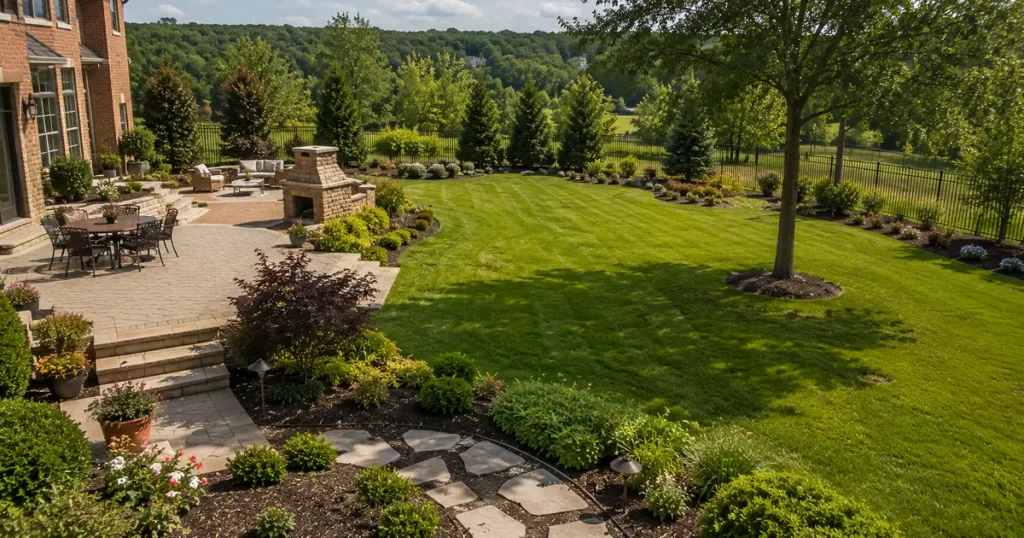
Georgetown’s climate, hot summers, periods of drought, and occasional hard freezes, shapes nearly every design decision.
Layouts and plant placement are planned with Central Texas summers in mind, so the landscape holds up instead of struggling through the hottest months.
Plants proven to perform in this region’s heat, soil, and rainfall patterns are favored over varieties that look good but fight the climate.
Grouping plants with similar needs keeps a Georgetown landscape easier to keep healthy through the region’s dry stretches.
A design built around the local climate holds up over years, not just through the first growing season.
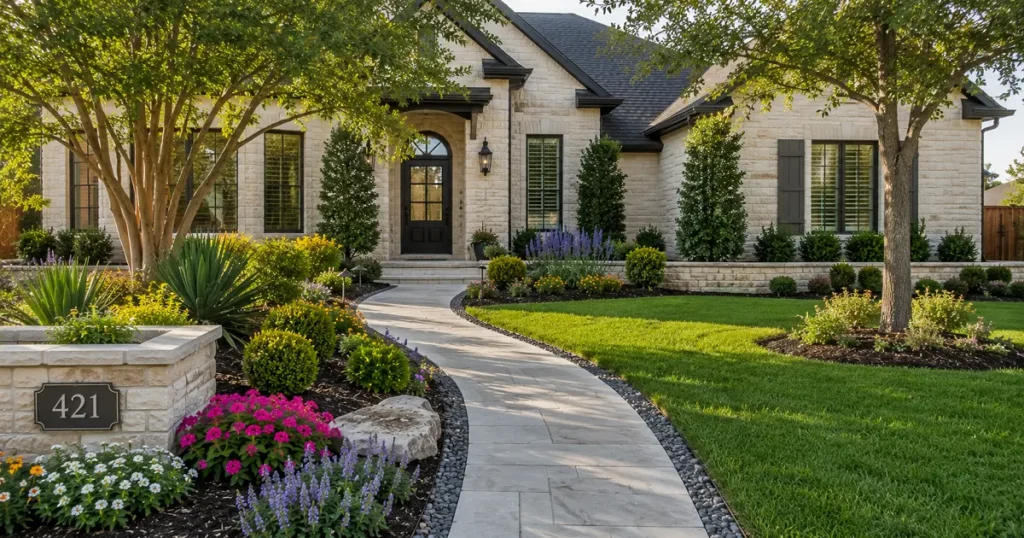
Your front yard sets the tone for the entire property. A strong first impression comes from a clear entry, thoughtful visual flow, and a balance of plants, open space, and focal points. If your current front yard feels dated or disconnected from your home, it can be redesigned with a fresh layout that better reflects your property’s potential.
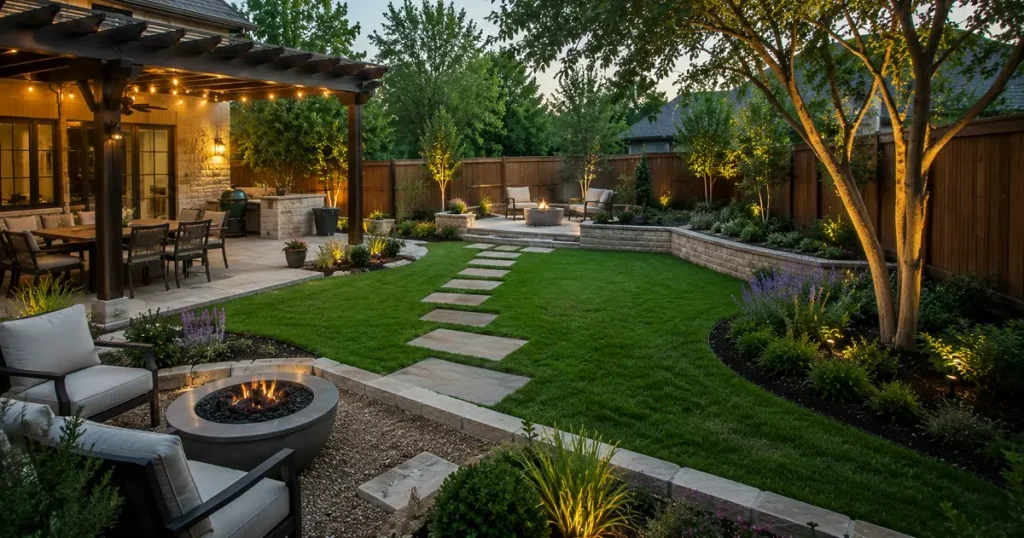
The backyard is designed around how you actually use it, whether that’s entertaining, relaxing, gardening, or all three. Distinct but connected zones create privacy and comfortable outdoor living. Small or underused backyards can be redesigned to feel more open and functional, and existing backyards that no longer work for your life can be reimagined while keeping what’s already valuable.
Lower water use and easier upkeep don’t have to mean sacrificing visual interest. This includes drought-tolerant plant selection and layout, xeriscape designs that balance plantings, open space, and natural materials (never just rock), and low-maintenance designs built around each plant’s mature size and growth habit. The result stays manageable and still looks intentional as it ages. The right approach depends on your goals and property, something we’ll talk through at your consultation.
Every design is built on core principles: unity, balance, scale, rhythm, color and texture, focal points, visual flow, and seasonal interest. These are the fundamentals that separate a designed landscape from a random collection of plants. Plant selection follows the same discipline, choosing species suited to the specific spot, layering for depth, mixing evergreen and seasonal interest, and using native or climate-appropriate plants for a cohesive palette. This attention to detail also helps homeowners avoid common mistakes: ignoring mature plant size, mismatching sun and water needs, overcrowding, or designing for looks while forgetting function.
Design cost depends on property size, design scope and complexity, existing site conditions, number of areas being designed, and level of customization. Every design is priced around the specific project, so we’ll walk through your priorities at the consultation.
Custom designs, not templates, built around Georgetown’s climate and your property’s conditions, planned for beauty and function, and created with clear communication throughout.